Overture to the opera “Agrippina,” HWV 6
Aci, Galatea e Polifemo (Serenata a tre), HWV 72 (1708)
Libretto by Nicola Giuvo, based on Ovid’s Metamorphoses (8 CE)
Gala concert for the awarding of the 2026 Handel Prize to René Jacobs
Musical director: René Jacobs
Aci: Kateryna Kasper
Galatea: Sophie Harmsen
Polifemo: Christian Senn
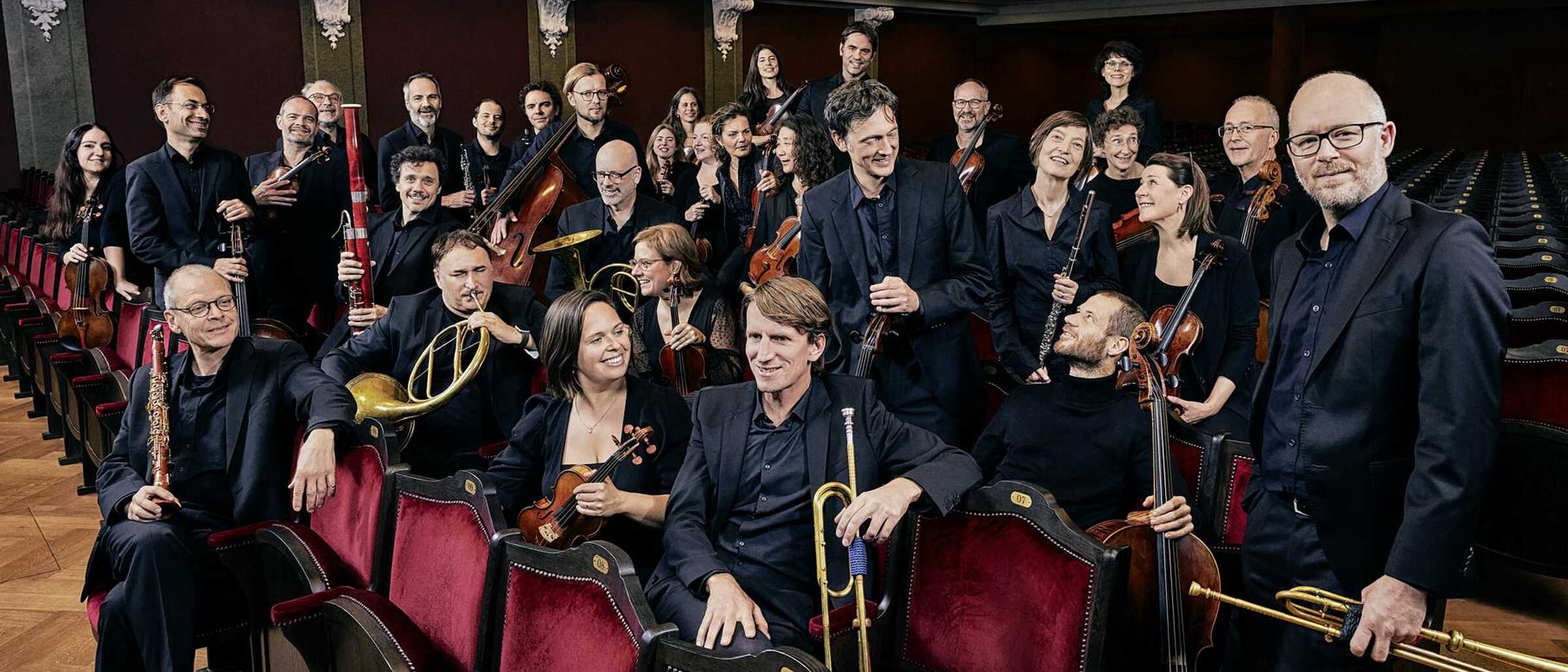
Kammerorchester Basel
90/60/35/20 €
One wedding – and a funeral? On 19 July 1708, a prince’s daughter and a young duke the same age as Handel marry in Naples. The bride’s aunt, Aurora Sanseverino, Duchess of Laurenzano, commissions a young German composer who is currently the talk of the town in Rome to write a festive composition for the wedding. Her court poet writes the libretto. Handel completes the composition in Naples in June 1708. The bride and bridegroom are presented with a story from Ovid’s Metamorphoses: the cyclops Polifemo falls in love with the beautiful nymph, Galatea.
But she loves the shepherd boy Aci and rejects her coarse suitor. In fury, Polyphemus slays his rival with a boulder. Galatea transforms her dead lover into a river, so the two are united. A strange subject for a wedding – but Handel transforms it into one of the most beautiful and moving works from his Italian period, a work he would return to continually right up to the end of his life.
Presented by LOTTO Sachsen-Anhalt
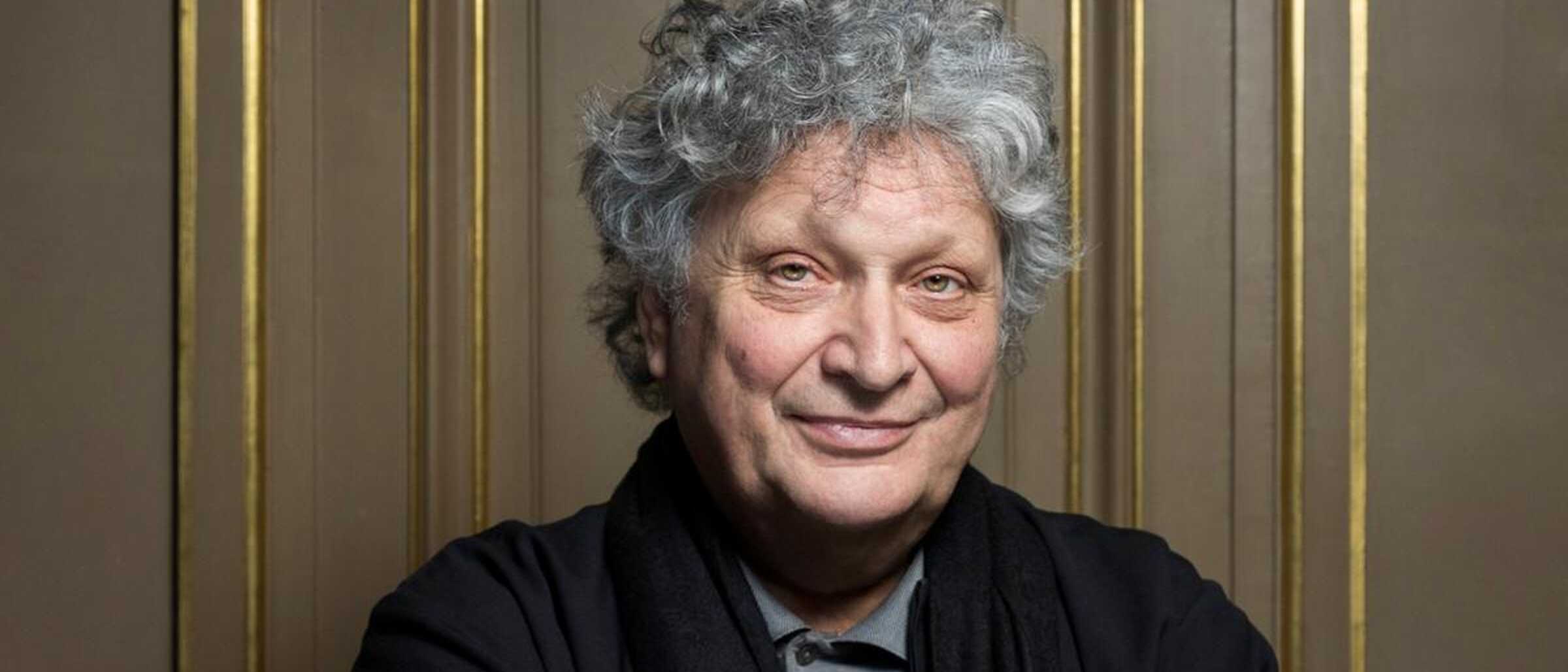
René Jacobs
René Jacobs: 2026 Handel Prize laureate
René Jacobs is one of the most influential artists of recent decades on the early music scene. As a singer, conductor and artistic director he has crucially shaped our understanding of Baroque vocal music, in particular the works of George Frideric Handel. Jacobs began an intense engagement with Handel’s operas and oratorios back in the 1980s. Since then, he has devoted himself with absolute consistency and artistic imagination to historically informed, but at the same time lively and meaningful interpretation. His recordings of Giulio Cesare, Ariodante, Rinaldo, Tamerlano, Saul, Belshazzar and Theodora are regarded as references: they have won multiple awards and are internationally acknowledged. At the same time, Jacobs’ approach is never about stylistic correctness alone, but also dramatic rigour, psychological depth and musical eloquence. Through his work, he has largely contributed to the fact that today, Handel’s opera is again viewed as a modern, emotionally charged, human medium of expression. But Jacobs is also extremely important as a facilitator, mentor and artistic partner: for numerous singers and ensembles their collaboration with him has been a lasting inspiration and he has played a decisive role in their approach to Handel’s work. The awarding of the City of Halle Handel Prize by the Handel House Foundation pays tribute to René Jacobs’ extensive lifetime achievement and his decisive influence on Handel reception today.